

Chu Văn An

Nội dung bài viết
The process of using electrical cabinets cannot avoid electrical incidents or mechanical impacts from people and the surrounding environment. Therefore, for electrical cabinets to operate stably and safely, periodic maintenance is essential. In the following article, we will introduce the professional electrical cabinet maintenance process.
When do you need to maintain electrical cabinets?
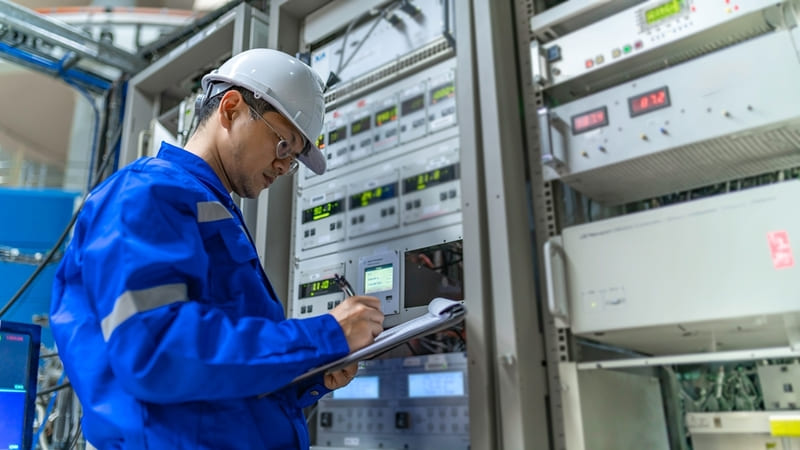
Maintenance of electrical cabinets is not only a recommendation for operating units but has become a mandatory requirement to meet electrical safety standards. This work needs to be done consistently and scientifically based on the two criteria below.
Frequency of periodic maintenance
The frequency of periodic maintenance of electrical cabinets depends on many factors such as operating environment characteristics, operating intensity, requirements of the investor, recommendations from the manufacturer… According to current technical standards, the optimal maintenance time of electrical cabinets is recommended:
- Industrial electrical cabinets for factories and enterprises: Maintenance should be done every 3-6 months.
- Low voltage electrical cabinets for office buildings and apartments: On average every 6 months.
- Civil electrical cabinets for households and small offices: From 6 months – 1 year/time.
Immediate maintenance
The purpose of this is to minimize damage to electrical cabinets and systems, while complying with manufacturer recommendations and fire protection standards. Electrical cabinets need immediate maintenance in the following cases:
- The electrical cabinet shows unusual signs: Such as making strange noises, having a burning smell, CB jumping continuously, the device heating up abnormally, loose contact points, oxidation…
- After a problem occurs in the electrical cabinet: Such as fire, electric leakage, overload, short circuit… and need a maintenance plan to upgrade electrical cabinets.
- According to NSX recommendations: Follow the maintenance schedule specified in the manufacturer’s documentation.
- According to regulations: When there is a request for inspection of fire safety.
Benefits of maintaining electrical cabinets
Similar to checking electrical cabinets, maintenance of electrical cabinets also needs to be performed on all types of cabinets in the systems, in order to:
- Guaranteed safety: Electrical cabinets contain many important, sensitive electronic components and power sources that can easily endanger users. Through the electrical cabinet maintenance process, operators can detect potential problems such as electrical leaks, aging wires, loose connections,… thereby avoiding the risk of electrical accidents.
- Performance optimization: Periodic maintenance of electrical cabinets contributes to ensuring the electrical system operates stably and effectively, optimizing performance and saving energy, while increasing the lifespan of the electrical cabinet and the equipment and components inside.
- Cost savings: Maintenance helps detect small problems early before they develop into major problems. This limits sudden damage that requires emergency repairs and saves the cost of replacing or repairing the entire system.
- Compliance with standards and regulations: Industries and regulatory agencies often have their own regulations and standards related to the maintenance of electrical cabinets. Professional electrical cabinet maintenance helps meet safety and electrical regulations and limit legal issues.
Professional electrical cabinet maintenance process
A standard electrical cabinet maintenance process usually includes 7 steps: Planning – disconnecting the power supply – cleaning the cabinet – checking connections – checking switchgear – checking the protection system – recording and reporting results.
Step 1: Make a maintenance plan for electrical cabinets

The electrical cabinet maintenance plan needs to meet detailed, scientific and appropriate requirements. This plan includes:
- Determine the type of electrical cabinet: Each type of electrical cabinet will have a distinct structure and function, correspondingly requiring appropriate frequency and maintenance procedures.
- Maintenance frequency: Depends on the frequency of operation of the cabinet, operating conditions, and recommendations from the manufacturer. Determining the appropriate maintenance frequency helps optimize maintenance efficiency and avoid wasting time and resources.
- Checklist: Inspection items need to be detailed, including items that need to be maintained, repaired or replaced.
- Assign responsibilities: It is necessary to clearly define the responsibilities of each individual and department in maintenance work to ensure that the process is coherent and does not overlap work.
- Prepare materials and equipment: Includes all necessary tools and equipment to serve the maintenance process, limiting interruptions due to lack of materials.
Step 2: Disconnect all power sources
This is the top safety principle in any repair and maintenance work related to electrical cabinets and electrical systems to ensure there are no dangers that affect the operator and cause damage to the equipment.
- Disconnect the power supply: By turning off the master circuit breaker or the isolation circuit breaker.
- Check with an electric tester: Use an electrical tester to check the power source again, making sure there is no more current flowing through the cabinet.
- Place warning signs: The electrical cabinet maintenance location needs to have a warning sign “Under construction. Do not turn on power!” to prevent people around from suddenly turning off the power.
- Supervision assignment: In addition to placing warning signs, someone needs to monitor the electrical cabinet area during the maintenance process to ensure that no one else arbitrarily turns on the electricity.
Step 3: Clean the electrical cabinet
This is a mandatory step in the electrical cabinet maintenance process to remove factors such as dirt, grease, insects… that can stick to wires and switchgear.
- Use an industrial vacuum, compressed air or soft brush to remove dirt inside and outside the electrical cabinet.
- Use a clean soft cloth and specialized cleaning solution to clean the grease layer on the surface of the conductor, switchgear or cabinet surface.
- Thoroughly check the ventilation system and radiator fans and take appropriate cleaning measures to ensure air circulates smoothly in the electrical cabinet.
Step 4: Check the connections

Loose connections pose a potential risk of increasing contact resistance, generating heat at the connection, and possibly sparking and causing a fire. Checking the connections should be done as follows:
- Visual inspection: Carefully observe joints and connectors to detect early signs of abnormalities such as breaks, looseness, and oxidation.
- Use specialized tools: Like insulated screwdrivers and torque wrenches to tighten connections, pay attention to sufficient tightening force to avoid underground breakage of the conductive core.
- Replace damaged parts: In case the screw is excessively rusted, the screw head is broken or the connection is heavily oxidized, these parts need to be replaced to ensure safety.
Step 5: Check the switchgear

Switching equipment in electrical cabinets must operate continuously, so contacts wear out quickly. Therefore, maintenance of this group of equipment is also more complicated.
- Check contact: This is the most important part of the switchgear, so the contact surface needs to be cleaned with specialized sandpaper or replaced in case of abrasion or oxidation.
- Check the operating structure: By checking the transmission parts, control circuits, automatic circuits, switching mechanisms… You should try operating the circuit breaker manually and automatically to accurately assess the operating status of this group of devices. Then lubricate the moving parts with specialized grease.
- Measuring insulation resistance: Use a specialized meter to check the insulation ability of the circuit breaker, ensuring the resistance value is within the allowable standard.
- Replace the aptomat: If the components inside the circuit breaker are heavily rusted or the circuit breaker is damaged, the circuit breaker needs to be replaced.
Step 6: Maintain the protection system
Circuit breakers, relays, lightning protection devices… are devices that need to be checked at this stage.
- Check parameters: Use a specialized meter to measure the main technical parameters of circuit breakers, relays… ensuring the value is within the specified threshold.
- Function test: Use specialized tools to simulate electrical incidents such as overload and short circuit to evaluate the protection function of each device.
- Replace damaged equipment: If these devices do not meet protection requirements or are damaged, they should be replaced to make the system operate more stably.
Step 7: Report maintenance results
All electrical cabinet inspection items need to be recorded in detail and specifically. This is the basis for preparing a post-maintenance report, from which the investor has an appropriate repair or replacement plan.

Maintenance reports need to ensure the following factors:
- Maintenance date and time: Include start and end date and time.
- Items checked: Clearly list items that have been inspected and maintained for convenient reference during future maintenance.
- Problem detected: All problems that arise and potential incidents during the maintenance process need to be clearly noted and described, including status, location, severity, and cause assessment.
- Suggested handling measures: Based on the analyzed results, the implementer needs to propose measures to handle detected incidents, including both temporary and radical measures.
- Recommendation: Based on the maintenance results, the person responsible for preparing a report recommends future maintenance time and plans to optimize costs.
After the electrical cabinet maintenance process is completed, it is necessary to confirm that the electrical cabinet is powered and operating normally again.
Note when maintaining electrical cabinets
Electrical cabinet maintenance is directly related to electrical current, especially large current in industrial cabinets. Therefore, compliance with electrical safety principles is a mandatory requirement for those performing inspection and maintenance tasks. In addition, during the inspection of electrical cabinets, some important issues should be noted as follows:
- Turn off power completely: This is the first safety principle. Turn off the power and place warning signs, and have someone supervise during the maintenance process to prevent others from suddenly turning on the power.
- Full protective equipment: People performing maintenance work must be equipped with standard personal protective equipment, including insulated gloves, insulated boots, insulated hats… and testing equipment in accordance with regulations.
- Check insulation and grounding system: Make sure electrical cabinets and important equipment are properly grounded or insulated according to standards, to limit electrical accidents for operators.
- Do not perform maintenance work while the cabinet is still under load: Absolutely do not perform any electrical operations when the electrical cabinet still has active electrical equipment to avoid dangerous electrical discharges.
Some questions about electrical cabinet maintenance procedures
Question 1: How often is industrial electrical cabinets recommended for maintenance?
Reply: Industrial electrical cabinets are recommended to have an average maintenance frequency of every 3-6 months. For electrical cabinets powering systems that require power continuity, the maintenance frequency may be shorter.
Question 2: What important inspection items should be performed during the electrical cabinet maintenance process?
Reply: Some items that need to be checked during maintenance include:
- Overall check of the electrical cabinet
- Check the mechanical connection at the control panel
- Check the availability of the electrical diagram
- Check compatibility between electrical diagrams and electrical equipment
- Check the integrity and functionality of function blocks
- Check the ground connection between the cabinet and equipment and the common grounding system
- General cleaning of control panels and equipment.
Question 3: What signs indicate that the electrical cabinet needs immediate maintenance?
Reply: If your electrical cabinet encounters the following situations, you need to perform maintenance on the electrical cabinet immediately.
- The electric cabinet heats up abnormally and emits a burning smell
- CB jumps continuously
- The headlight indicator works intermittently
- There is a strange sound appearing in the electrical cabinet
- Severe rust and a lot of dirt in the electrical cabinet.
Electrical cabinet maintenance is necessary to maintain the lifespan and improve system performance. This work needs to be performed by specialized people, agencies, and units licensed according to state regulations.
To learn other knowledge related to electrical cabinets, you can look up at: https://etinco.vn/tin-tuc/kien-thuc/kien-thuc-tu-dien/
Nội dung được phát triển bởi đội ngũ truongchuvananhue.edu.vn với mục đích chia sẻ và tăng trải nghiệm khách hàng. Mọi ý kiến đóng góp xin vui lòng liên hệ tổng đài chăm sóc: 1900 0000 hoặc email: hotro@truongchuvananhue.edu.vn